
How to Get My Payslips: The Ultimate Guide for Employees in the UK
Last Updated: August 10, 2026 | Reading Time: 8 minutes
Missing your payslip can cause significant stress, especially when you need it for mortgage applications, loan approvals, visa processing, or tax documentation. Whether you've misplaced a physical copy or cannot access your digital payslip, understanding your options is crucial. This comprehensive guide will walk you through every method to get your payslips efficiently and legally.
Note: If you urgently need your Payslips, P60, or P45 and can't wait for a standard replacement request through your employer or HMRC, we can help speed up the process. Visit: A2Z Payroll to get your documents emailed within 2 hours, A2Z Payroll is a trusted payroll service provider with over 20 years' experience, and they will provide you with verified original documents, never fabricated copies like some other online services offer.
Understanding Your Rights to Payslips
Before we dive into recovery methods, let's establish what you're entitled to by law. Under UK employment legislation, all employees have the right to receive an itemised payslip each pay period. This entitlement extends to full-time workers, part-time workers, agency workers, and many categories of casual employees.
Legal Requirements for Employers
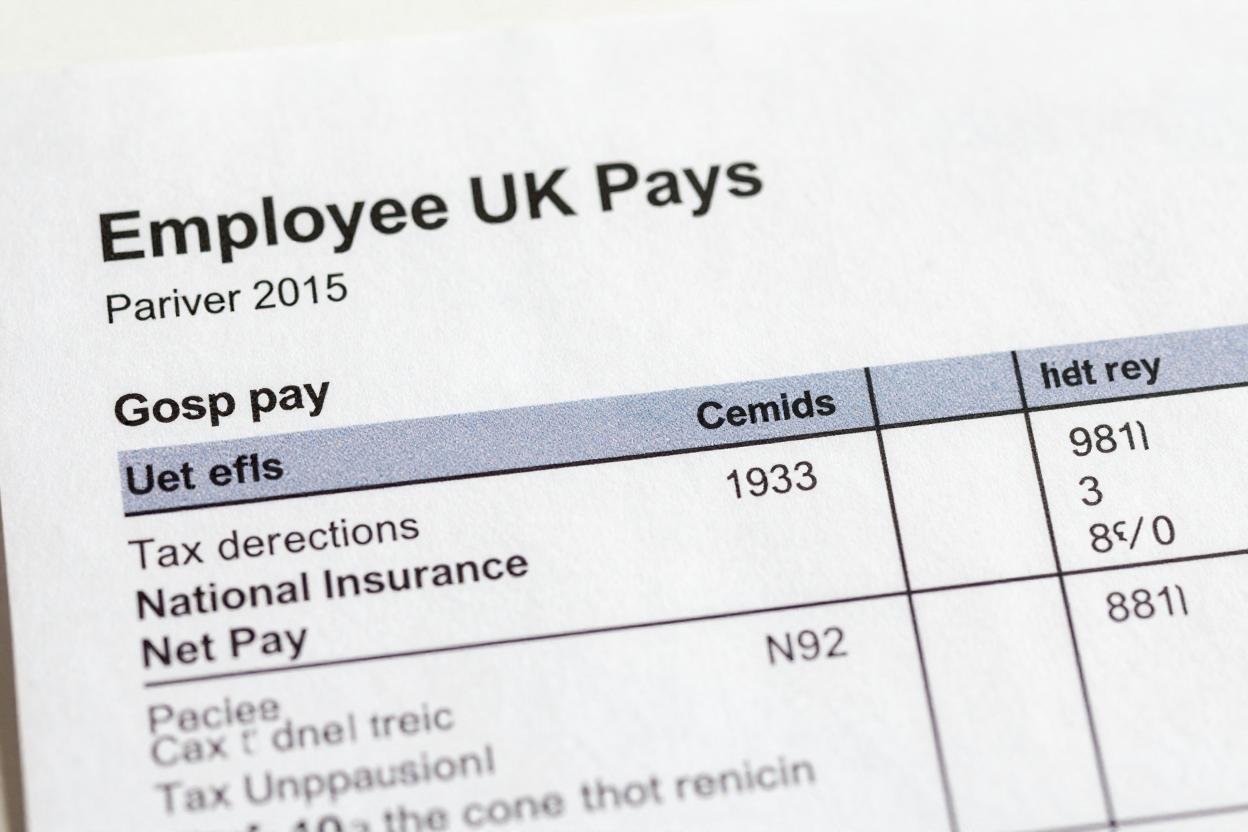
Your employer must provide payslips containing:
- Total wages before deductions (gross pay)
- Total wages after deductions (net pay)
- All deductions made (tax, NI, pension, etc.)
- Payment method and date
- Pay period covered
- Employer identification details
If you ever need to get your payslips, knowing these requirements helps you verify that any replacement document is compliant and acceptable for official purposes.
Method 1: Contact Your Employer Directly
The most straightforward way to get your payslips remains contacting your workplace directly. This approach works for recent losses and typically yields the fastest results.
Step-by-Step Process
- Identify the Right Department – Reach out to HR, payroll, or finance teams
- Gather Supporting Information – Have your employee ID, national insurance number, and pay period dates ready
- Make a Formal Request – Submit your request in writing via email for documentation
- Specify Format – Request electronic delivery if available for faster receipt
- Follow Up – If you don't receive confirmation within three working days, send a polite follow-up
What to Include in Your Email
"Dear Payroll Team,
I am writing to request copies of my payslips for [specific pay periods]. Unfortunately, I have misplaced the original documents and require them urgently for [reason].
Employee Number: XXX
National Insurance Number: XX XX XX XX
Periods Required: [dates]
Please advise if there are any administrative procedures I need to complete.
Thank you,
[Your Name]"
Method 2: Access Digital Payroll Portals
Many modern organisations now use cloud-based payroll systems like BrightPay, Sage, ADP, or Workday. These platforms allow employees to download historical payslips anytime.
Popular Payroll Systems
| System Name | Typical Login Location | Document Retention |
|---|---|---|
| BrightPay Connect | Company intranet or dedicated portal | Up to 7 years |
| Sage Payroll | my.sage.co.uk | Up to 6 years |
| ADP Workforce | adp.co.uk | Up to 7 years |
| Workday | workday.com | Up to 7 years |
Once logged in, navigate to the 'Documents' or 'Pay Advice' section. Select your desired pay period and click download. This method is ideal if you want to get payslips instantly without waiting for HR response times.
Method 3: HMRC Personal Tax Account
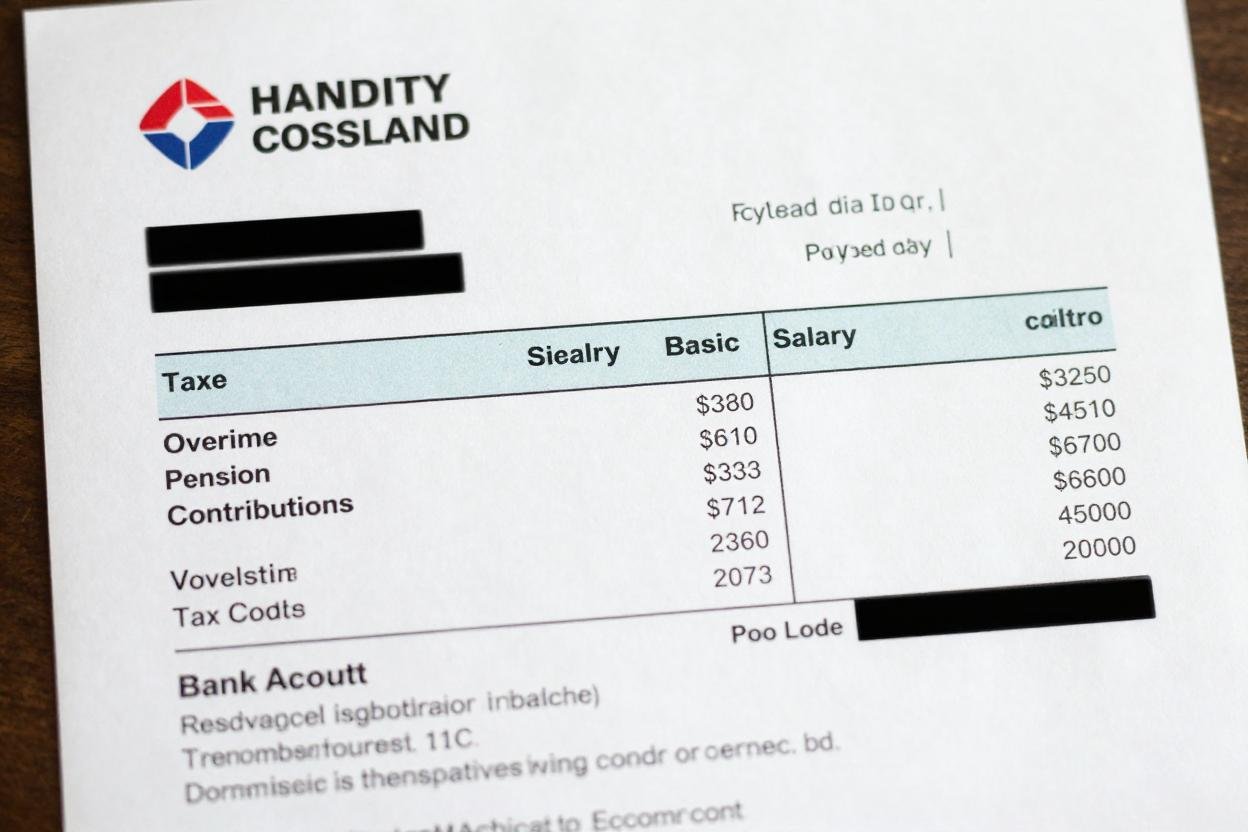
While HMRC doesn't store your payslips directly, their system contains valuable income and tax information. This information won't replace actual payslips but serves as proof of earnings for banks and lenders that accept alternative documentation.
Method 4: Bank Statements as Evidence
Your bank statements provide indirect evidence of income. While not a direct replacement for a payslip, many institutions accept them alongside tax documents.
What Makes a Strong Bank Statement Submission
- Clear salary credits marked as 'PAYE' or company name
- Consistent monthly deposits matching expected pay dates
- Tax deductions visible in accompanying transaction notes
- At least three months of statements for credibility
Limitations of Bank Statement Substitution
Be aware that some strict institutions like mortgage lenders or visa offices may insist on proper payslips. If you need to get your payslips for immigration purposes, bank statements alone rarely suffice.
Method 5: P60 and P45 Documents
End-of-year certificates serve as powerful alternatives:
P60 Certificate
Issued annually by May 31st, this shows total earnings and tax deducted for the entire tax year (from 6 April to 5 April).
P45 Form
Provided when leaving employment, detailing income until your termination date.
These documents come from employers and carry the same weight as payslips for most official requirements.
Important Considerations
Remember that employment rights vary based on contract type, union agreements, and company policies. Some employers maintain longer retention periods than legally required, which means older documents may still be available if you act quickly.
YMYL Disclaimer: This article is for informational purposes only and does not constitute professional tax or financial advice. Content reviewed by: Joyce Kim, CTA Chartered Tax Adviser — last updated 16 August 2026. Please consult a qualified tax adviser for your specific situation before making decisions based on this content.
Common Scenarios Requiring Payslip Recovery
Mortgage Applications
Lenders typically require three to six months of recent payslips plus P60 forms. Missing documents can delay approval significantly.
Visa and Immigration
UKVI and Home Office applications demand verifiable income proof. Delays in providing these materials risk application rejection.
Loan Approvals
Personal loans, car finance, and credit assessments rely heavily on current income evidence.
Tax Disputes
If HMRC queries your tax calculations, accurate payslips resolve discrepancies faster than generic summaries.
Preventative Measures for Future Protection
Once you manage to get payslips, implement these safeguards:
Digital Backup Strategies
- Cloud Storage – Save PDFs to secure services like Proton Drive or Google Drive
- Email Archiving – Forward electronic payslips to a dedicated folder
- External Backup – Store copies on encrypted USB drives
- Photo Documentation – Photograph printed copies for immediate reference
Organisational Systems
- Create folders by tax year
- Name files consistently (e.g., 'YYYY-MM-Company_Payslip.pdf')
- Set calendar reminders for end-of-month downloads
When Employers Refuse to Cooperate
If your employer unreasonably denies payslip requests despite legal obligations, escalate through proper channels:
- Written Formal Complaint – Document everything
- ACAS Early Conciliation – The mandatory step before tribunal proceedings (via acas.org.uk)
- Employment Tribunal – File a claim through gov.uk/employment-tribunals
The Employment Rights Act 1996 grants employees the right to enforce payslip provision, with tribunals able to award compensation for violations.
Cost Considerations
Most legitimate payslip recovery methods incur no charges. Your employer should provide copies free of charge under normal circumstances.
Quick answer: The fastest way to get my payslips is usually your employer's payroll portal or HR team. If that's not possible — for example, the company has closed — HMRC can supply your employment and income history instead. Also explore our main payslip recovery landing page for additional options.
Conclusion
Retrieving lost payslips requires patience and systematic action, but understanding your options empowers you to succeed. Start with direct employer contact, explore digital portals, utilise HMRC resources when necessary, and always maintain proper backups going forward.
By following the methods outlined here, you'll know exactly how to get your payslips whenever needed, protecting yourself during critical financial moments and maintaining compliance with institutional requirements.
Remember: prevention beats cure. Establish a robust document management system today to avoid future scrambling for paperwork. Stay organised, stay informed, and keep your employment records accessible.
Note: This post complements our separate article covering Lost Payslips scenarios. If you're looking for Lost Payslips guidance, see our comprehensive Lost Payslips guide instead.
Frequently Asked Questions
What should I do if I lose my payslip?
Contact your HR department or payroll team immediately. Most employers can resend digital copies or provide replacement documents. Keep records of all communications in case you need to escalate the matter later. Acting quickly ensures you meet deadlines for mortgages, loans, or visa applications.
Can HMRC help me get my payslips?
HMRC maintains records of your income through the PAYE system, but they don't store individual payslips. However, you can access your tax information and employment history via your Government Gateway personal tax account portal. This serves as supplementary evidence of earnings when official payslips are unavailable.
How far back can employers go to provide payslips?
Under UK employment law, employers must keep basic PAYE payroll records for at least three years from the end of the tax year they relate to. However, many organisations retain files for six to seven years to cover statutory limits for breach of contract or minimum wage verification claims. When making a request, specify the exact pay periods you need — the more precise you are, the faster your employer can locate the documents.
Are there fees for obtaining replacement payslips?
Employers typically provide payslips free of charge, especially for recent periods. However, administrative fees may apply for very old records or excessive repeated requests, depending on company policy. Always ask upfront whether any charges apply before submitting your request.
What information must appear on a UK payslip?
A compliant UK payslip must show gross pay, net pay, tax deducted, National Insurance contributions, payment method, pay period dates, and employer details. Since April 2019, employers must also display the number of hours worked where pay varies by hours. If any of these elements are missing, request a corrected version from your employer.
Can I use a P60 instead of payslips?
In many cases, yes. A P60 summarises your total earnings and tax deductions for the full tax year. Mortgage lenders and banks often accept a P60 alongside bank statements as proof of income. However, for applications requiring month-by-month breakdowns — such as certain visa applications — individual payslips may still be required. Check with the requesting institution first.